


Penn Station Sandwiches
4.5106.00 Reviews
App Specs
- Version
- 3.35.5
- Updated On
- License
- Free
- Downloads
- 50,000+
- Developer
- Penn Station East Coast Subs
- Categories
- Food & Drink
- Platform
- Android
Screenshots
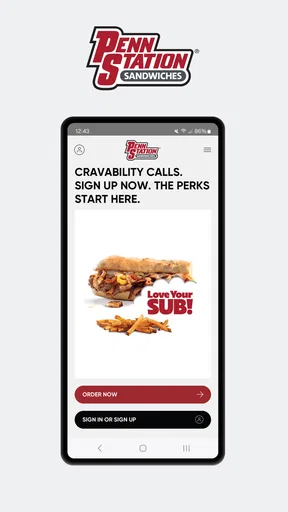
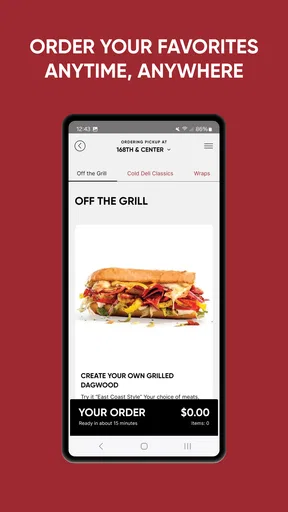
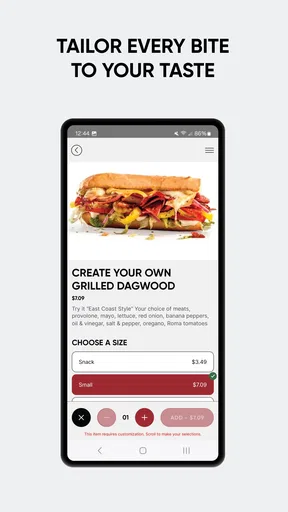
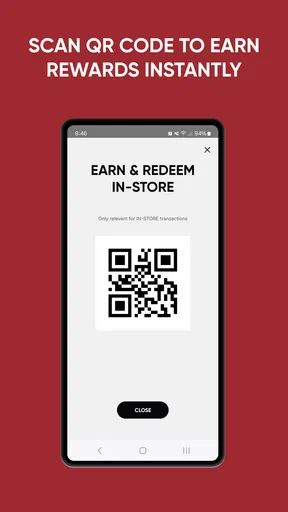
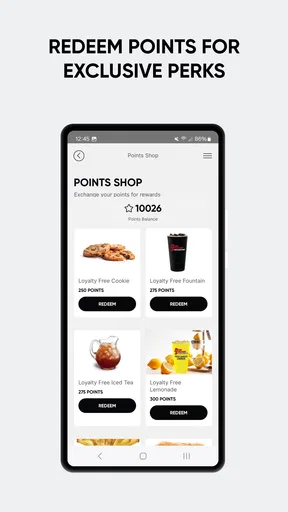
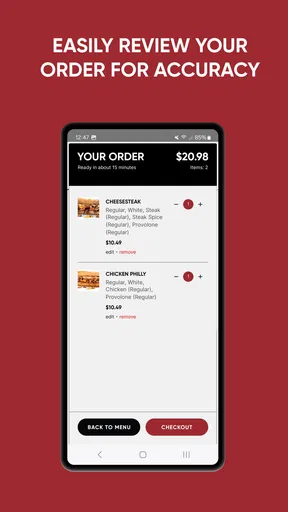
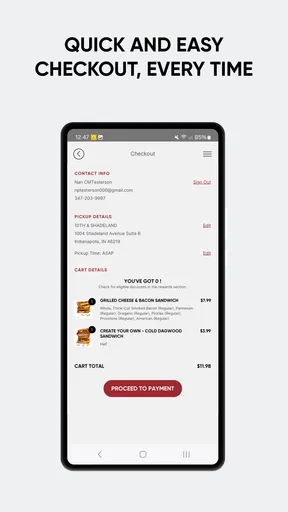
 Analysis by AppCompare
I found Penn Station Sandwiches most useful when I wanted to turn a sandwich craving into a straightforward order without making a separate trip just to look at a menu. It is a free Food & Drink app from Penn Station East Coast Subs, built around choosing a meal for pickup, delivery, or an in-restaurant visit. My overall impression is practical rather than flashy: it focuses on getting the ordering job done, and that narrow purpose is also what makes its limitations easier to notice.
The app is aimed at people who already know they want Penn Station food, or who are close enough to a participating restaurant to consider it. It is not a general restaurant-discovery tool, a meal planner, or a broad delivery marketplace. That distinction matters. If I am comparing dozens of nearby restaurants, I would rather use a map or delivery service. If I have already decided on a grilled sub and want to place the order directly, this app makes more sense.
How the ordering experience feels in everyday use
I find the experience works best when I treat it as a way to prepare an order, not as a promise that every step will be instant. Choosing pickup or delivery before I start helps me keep the process focused, while a careful final check gives me a chance to catch a wrong location or item. That practical routine also raises a separate question: what should I consider before sharing details to place an order?
A quick path from craving to checkout
My first expectation with a restaurant app is speed: can I open it, find the right location, choose food, and finish without unnecessary wandering? Penn Station Sandwiches feels designed for that direct route. The useful mental model is not “browse an enormous catalog,” but “select a restaurant, build an order, and choose how to receive it.” That keeps the experience easier to understand than a large marketplace filled with unrelated restaurants, promotions, and delivery options.
The most efficient approach is to decide the basics before opening the app. I would know whether I want pickup, delivery, or to dine in, and I would have a nearby Penn Station location in mind. That small bit of preparation reduces the time spent checking locations and makes the app feel considerably more responsive, even when the phone or network is not at its best. For a repeat lunch order, this kind of focused workflow is more valuable than a visually elaborate home screen.
The app is free, and its age rating is Everyone, so it is easy to recommend as a simple ordering companion for a household. The important practical question is not whether it costs anything to install; it is whether the final order suits the way you normally buy food. Direct ordering can be convenient, but a delivery marketplace may still be preferable if you want to compare restaurants, fees, or delivery choices in one place.
What I would do during a busy lunch break
Imagine a realistic weekday: I have a short break, I am working away from home, and I want a grilled sub ready when I arrive at the restaurant. In that situation, I would open the app before leaving, select pickup, review the order carefully, and avoid experimenting with several menu changes at the last moment. The app’s value is less about entertainment and more about removing a queue-related step from the visit.
Worth Reading Before You Choose

EA SPORTS FC Mobile 26 Is a Bigger Football Game, but It Takes Time

Flipboard Shows What News Apps Must Do Beyond the Feed

Switching to Android Auto Means Rethinking Your Driving Routine

Google Calendar Makes a Crowded Week Easier to Manage

Ludo King Makes the Most of the Minutes Between Plans

Baby Panda World Brings Quick Play to Modern Phones, but Its Game Library Feels Busy
For delivery, I would be more deliberate. I would check the selected location and the order details before submitting, because delivery introduces more variables than pickup. If timing matters, I would not treat the app as a guarantee that food will arrive at a precise minute. The application can help place the request, but preparation and delivery depend on the restaurant and the service handling the order. That is a useful boundary to remember when ordering for a meeting or a tightly timed meal.
Small workflow choices that make a difference
One useful habit is to separate menu decisions from location decisions. I would first decide what I want, then confirm that the chosen restaurant is the right one for pickup or delivery, and only then review the basket. This sounds obvious, but it helps prevent a common mistake with restaurant apps: building an order and discovering late in the process that the selected location is inconvenient.
I would also review customizations before moving to payment rather than relying on memory. Grilled sandwiches are often ordered with personal preferences, and a rushed checkout is exactly when a missing ingredient request or an unintended choice can slip through. The app is most helpful when I use it as a deliberate checklist, not when I tap through it as quickly as possible.
A third practical tip is to keep a backup plan for a weak connection. If I am ordering from a crowded public place, I would avoid closing the app immediately after submission. I would keep the confirmation screen available until I am sure the order went through, then check with the restaurant if anything looks unclear. That is not a criticism unique to this app; it is simply sensible behavior whenever a food order depends on a mobile connection.
Handling repeated use and heavier demand
Occasional use is where the app feels easiest to judge. I open it, make one order, and close it. Heavier use exposes different concerns: repeated orders in one day, a family order with several preferences, or a lunch rush when many customers may be doing the same thing. In those moments, clarity matters more than decoration. I would rather see a stable, readable ordering flow than a crowded interface trying to promote every possible offer.
For a family order, I would build the basket one item at a time and pause to review it before checkout. That takes a little longer than placing a single sandwich order, but it reduces the chance of mixing up selections. If several people are choosing food from the same phone, I would keep a written note or message with each person’s preferences. The app can collect the order, but it cannot replace a simple human system for remembering who wanted what.
During a lunch rush, perceived speed can change even if the app itself opens normally. A restaurant may be processing many orders, and the kitchen can become the real bottleneck. I would therefore use pickup ordering to reduce uncertainty about when to start traveling, not to assume that the food will be ready instantly. For an especially tight schedule, calling the restaurant or choosing a less busy time may be more dependable than relying on any app alone.
Stability and recovery when something goes wrong
Reliability is more than an app launching successfully. I also care about what happens after a slow screen, an interrupted connection, or an accidental exit. In my experience, the safest approach is to avoid immediately submitting a duplicate order when the result is unclear. First I would look for an order confirmation, check whether the basket has cleared, and contact the restaurant if necessary. That pause can prevent paying twice or sending two identical meals.
This is one area where a direct restaurant app has a different feel from a broad delivery platform. A marketplace may offer a familiar order history or a support channel covering many restaurants, while a brand-specific app keeps the experience focused on one chain. The direct route can feel cleaner, but the marketplace may be more comfortable when I need a single place to track several restaurants or resolve a delivery issue.
I would also avoid making changes while the app appears to be loading. Tapping repeatedly is an easy way to create confusion, especially on a busy network. A better recovery routine is to wait briefly, return to the previous screen once, and verify the basket before trying again. This is a small habit, but it makes the ordering process feel more controlled and reduces mistakes caused by impatient tapping.
What the app demands from a phone
The current version is 3.35.5, and the minimum operating system listed is Android 7.0. That makes the app accessible to many older Android phones rather than limiting it to recent hardware. Still, minimum compatibility does not mean every device will feel equally quick. An older phone with limited free storage, an aging battery, or many background tasks may take longer to open and switch between screens than a newer handset.
I would not expect a food-ordering app to be a major resource burden compared with games, video editors, or streaming services. Its ordinary job is selecting items and sending an order, not rendering complex graphics. Even so, a phone with very little free space can make any app less pleasant to use, and an unreliable mobile signal can make a lightweight app feel slow. Keeping the operating system current within the phone’s limits and closing demanding background tasks are sensible ways to improve the experience.
Battery use is unlikely to be the reason I choose or reject this app. Most people will open it briefly, place an order, and leave. The more relevant device constraint is screen size. On a compact phone, reviewing a larger basket may require more scrolling, so I would slow down at the final review stage rather than assuming every selected item is visible at once.
For iPhone users, the same practical advice applies: the quality of the experience depends on the device, connection, and restaurant workflow as much as on the app itself. I would check that the app is available for my platform before planning around it, then keep an alternative ordering method in mind for an urgent meal. The app is a convenience, not something I would allow to become the only way I can reach the restaurant.
Who will get the most from it
This is a good fit for regular Penn Station customers, people who prefer ordering directly from a restaurant brand, and anyone who wants pickup or delivery without browsing a large third-party catalog. It also suits households where one person frequently handles lunch or dinner orders and wants a repeatable process. The focused design is an advantage when the decision is already made.
I would be less enthusiastic about recommending it to someone who is still choosing what to eat. If I want to compare prices across several restaurants, combine items from different places, or see broad local availability, a delivery marketplace is more useful. Someone who rarely visits Penn Station may also find little reason to keep a dedicated restaurant app installed when a browser or general delivery service can cover occasional needs.
The app’s public reception is encouraging: it carries a 4.6 average from around eight hundred ratings and has passed fifty thousand installs. Those figures suggest that it has found a real audience, although they should not be treated as a promise that every order or device experience will be perfect. I read them as support for the idea that the app is established enough to be worth trying, especially if Penn Station is already part of my usual food routine.
How it compares with the usual alternatives
Compared with ordering at the counter, the app’s main benefit is preparation. I can decide what I want before reaching the restaurant and use pickup to make the visit more predictable. The counter remains better when I have questions, want immediate human help, or need to explain an unusual request. A direct conversation can resolve uncertainty faster than navigating a screen.
Compared with a phone call, the app is easier for reviewing the order visually. I can take my time with the basket instead of trying to hear every detail over background noise. A call may still win when the order is complicated, when the app behaves strangely, or when I need to ask whether a location can handle a special situation.
Compared with a delivery marketplace, Penn Station Sandwiches is narrower but potentially less distracting. I am not choosing among unrelated restaurants; I am using a brand-specific route to Penn Station food. The trade-off is flexibility. A marketplace may be better for comparing delivery options, while this app is better when the restaurant choice is already settled.
My performance verdict after weighing the trade-offs
I see Penn Station Sandwiches as a focused utility that should be judged by how smoothly it supports a real meal decision. Its strongest performance scenario is a normal pickup or delivery order made on a reasonably modern, connected phone, especially when I already know the restaurant and have a simple basket. In that setting, the limited scope works in its favor: there is less irrelevant browsing between me and the order.
Its weaker scenario is an urgent, complicated order made during a busy period on an older device or unstable connection. That combination can expose delays that are not necessarily caused by the app alone, but the result is still frustrating for the person holding the phone. I would protect myself by reviewing the location, checking the basket, saving the confirmation, and keeping the restaurant’s direct contact option available if the order status is unclear.
Released on April 28, 2025, and developed by Penn Station East Coast Subs, the app feels like a current digital companion for a specific restaurant habit rather than an all-purpose food platform. Its Everyone rating and free installation make trying it low-risk, while the current version and broad Android compatibility support use on a range of devices. The real question is whether I order from this chain often enough to benefit from a dedicated tool.
My recommendation is therefore conditional but positive. If Penn Station is one of my regular sandwich stops, I would install it and use it for planned pickup, repeat visits, and uncomplicated delivery orders. I would not choose it over a marketplace when comparison shopping matters, and I would not depend on it alone for a time-critical meal. For direct Penn Station ordering, it is a sensible, focused option; for discovering food or managing many restaurants, a broader alternative remains the better fit.
Pros
- Freshly prepared sandwiches with a broad range of fillings.
- Convenient option for a quick lunch or snack on the go.
- Menu includes choices for different tastes and appetites.
- Simple ordering experience helps reduce time spent waiting.
- Suitable for casual meals
- takeout
- or sharing with others.
Cons
- Popular locations may become crowded during peak meal times.
- Prices can be higher than preparing a sandwich at home.
- Some menu choices may be less suitable for strict diets.
- Availability and service quality may vary by location.
- Customization options may differ between stores and platforms.
FAQs for Penn Station Sandwiches
What is Penn Station Sandwiches?
Penn Station Sandwiches is a restaurant app and ordering platform associated with Penn Station East Coast Subs. It lets customers explore the menu, customize sandwiches, choose sides and drinks, and place an order for pickup at participating locations. Availability and exact features may vary depending on the restaurant, location, and whether the app is supported in your region.
Can I customize my sandwich before ordering?
Yes, the ordering experience generally allows you to personalize menu items before adding them to your cart. Depending on the selected sandwich and location, you may be able to adjust toppings, cheese, sauces, bread choices, and other ingredients. Review the customization screen carefully, because available options, additional charges, and allergy-related information can differ between restaurants.
Does Penn Station Sandwiches offer delivery?
Delivery availability depends on the restaurant location and the ordering method available in your area. Some locations may support delivery through a third-party service, while others may offer pickup only through the app or website. Before completing your order, enter your address or select a restaurant to see whether delivery is offered, along with fees, estimated times, and minimum order requirements.
Can I use coupons, rewards, or special offers in the app?
The app may provide access to promotional offers, restaurant-specific discounts, or loyalty features, but these benefits are not necessarily available at every location. Some coupons may have expiration dates, purchase restrictions, or exclusions for certain menu items. Check the promotion details before ordering and confirm that the discount has been applied to your total before submitting payment.
Is Penn Station Sandwiches safe for people with food allergies?
Customers with food allergies should review the available ingredient and allergen information carefully and contact the selected restaurant before ordering. Sandwiches and other menu items may be prepared in shared areas, so the app cannot always guarantee an allergen-free meal or prevent cross-contact. Clearly communicate your allergy to staff, and do not rely solely on customization options as a substitute for professional medical advice.


